

How Much Does It Cost to Start a Shaved Ice Business?
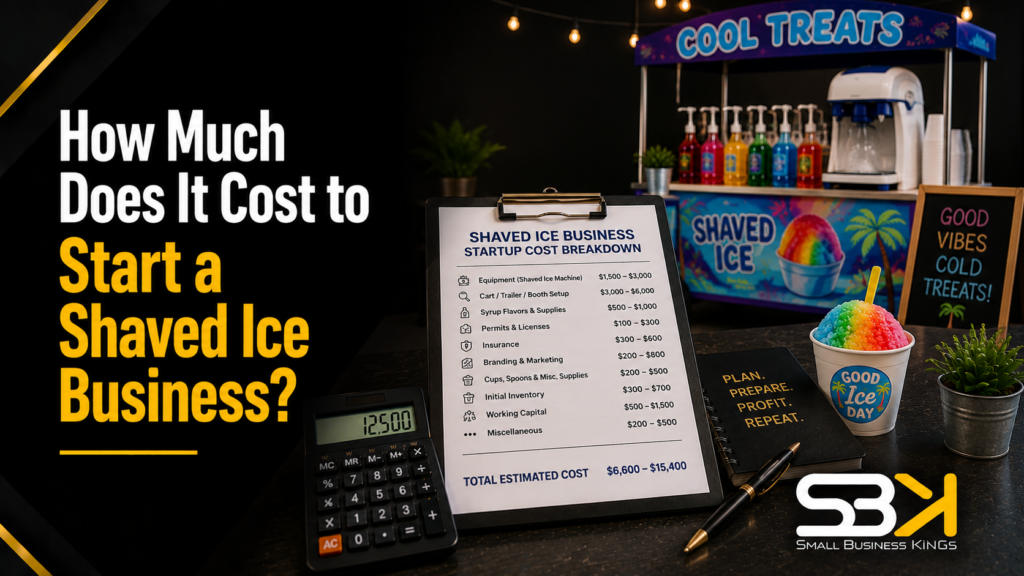
Starting a shaved ice business typically costs between $5,000 and $50,000, depending almost entirely on the setup you choose. A basic mobile cart is the cheapest way in, a food trailer sits in the middle, and a brick-and-mortar storefront is the most expensive route because it adds rent, renovation, and utility costs on top of everything else. Here’s what actually drives that range, and what a realistic first-year budget looks like once you account for costs beyond the equipment itself.
What Drives the Cost of Starting a Shaved Ice Business
Three decisions determine most of your startup budget: the setup type you choose (cart, trailer, or storefront), whether you buy equipment new or used, and whether you go independent or partner with an established brand as a dealer. Location matters too — permit fees, commercial space rent, and local competition all vary by city and state, so treat every number below as a planning range, not a guarantee, and confirm current local requirements before you commit to a budget.
Setup Type: The Single Biggest Cost Driver
Mobile Cart
A cart-based setup is the standard entry point for a reason: it combines a compact ice shaver or snow cone machine with a mobile merchandising cart, and it’s the cheapest way to test whether the business works in your area before committing more capital. This is also the easiest setup to take to farmers markets, fairs, and festivals, where you’re renting a small footprint rather than paying for a permanent space.
Food Trailer
A trailer setup costs more than a cart but gives you more workspace, storage, and the flexibility to move between higher-traffic events and locations throughout the season. This is a natural second step for someone who’s already run a cart for a season and wants to scale up without jumping straight to a permanent location.
Brick-and-Mortar Storefront
A permanent storefront is the most expensive option because you’re adding lease costs, buildout or renovation expenses, and ongoing utilities on top of the same equipment costs a cart or trailer would need. It only makes sense once you have a strong sense of local demand — most successful shaved ice operators build up to a storefront rather than starting there, since a slow location is much costlier to walk away from than an underperforming cart.
Launch Your Business On Fast VPS Hosting
Secure, high-performance hosting designed for growth. Don't lose sales to slow site speed.
Franchise or Dealer Model vs. Going Independent
Before you build your equipment list, decide whether you want to buy independently or join an established shaved ice brand as a licensed dealer. Dealer programs typically license you to use an established name, logo, and supply chain, often without traditional franchise fees or royalties — but in exchange, you usually agree to purchase flavors, syrups, or equipment exclusively through that company. This can simplify sourcing and give you brand recognition from day one, but it also limits your flexibility on suppliers and pricing.
Going independent means you choose your own equipment, syrup suppliers, and branding from scratch, which gives you more control over margins but means doing your own supplier research and marketing from zero. Neither path is inherently cheaper — a dealer program can reduce guesswork and sourcing time, while independence gives you more room to shop for the best equipment and ingredient prices. Compare a specific dealer program’s terms directly against buying equipment independently before deciding, since terms vary company to company.
Equipment Costs
Your core equipment list is largely the same regardless of setup type:
- Ice shaver or snow cone machine: The single largest equipment expense, and prices vary significantly based on capacity and build quality. Commercial-grade, NSF-certified machines built for daily use cost meaningfully more than light-duty models meant for occasional use.
- Block ice maker or freezer: Needed if you’re not sourcing pre-made ice or ice blocks locally; costs vary based on capacity and whether you need separate storage.
- Flavor storage and dispensing tools: Syrup containers, pumps, and dispensers to keep your flavor lineup organized and easy to serve from.
- Serving supplies: Cups, cones, spoons, napkins, and straws — a recurring consumable cost as much as a one-time purchase, since you’ll restock these regularly.
Permits, Licensing, and Legal Setup
Shaved ice and snow cones are food products, so you need the same basic regulatory approvals as any food service business:
- Business license: Required to legally operate in most cities and states.
- Employer Identification Number (EIN): Free to obtain directly from the IRS, and required if you plan to hire anyone.
- Food service license: Confirms your cart, trailer, or storefront has passed a local health department inspection.
- Food handler’s permit: Most states require at least one person on staff to complete a food safety course.
- Special event permits: Needed on a per-event basis if you’re selling at fairs, festivals, or farmers markets.
- Parking or mobile vending permits: Required in many cities if you’re operating a cart or trailer in public spaces.
Permit and license fees vary widely by city, county, and state, and requirements change over time, so verify current costs and rules through your state’s Secretary of State website or your local health department rather than budgeting off a number you saw online [Source: U.S. Small Business Administration, Apply for Licenses and Permits].
Free Business Blueprint
Steal the roadmap smart entrepreneurs use to launch, grow, and scale their businesses while avoiding expensive mistakes.
Inventory and Ongoing Supply Costs
Shaved ice has one of the lowest inventory burdens in food service, which is part of why it’s a popular first business. Your initial stock typically includes:
- Flavor syrups across a handful of core flavors, with the option to add specialty or regional combinations later
- Toppings, if you plan to offer them
- A recurring ice supply, unless you’re producing your own with a block ice maker
- Serving supplies (cups, spoons, napkins) that you’ll reorder regularly rather than buy once
Because the cost per unit is so low, your bigger planning question isn’t “how much inventory do I need” — it’s making sure you’re reordering supplies fast enough during peak season that you never turn away a sale because you ran out of cups.
Marketing and Getting Found by Customers
A shaved ice stand lives or dies on visibility — people need to know where you’ll be and when. Basic signage for your cart or stand is a one-time cost, but your bigger ongoing decision is how you handle your online presence. A simple website, a Google Business Profile listing your locations and hours, and active social media accounts cost far less than paid advertising and often do more of the work, especially for a seasonal or mobile business where customers are actively searching “shaved ice near me” on a hot day.
If you’re setting this up for the first time, getting a professional website, clean branding, and a simple system to track customers and repeat bookings (for private events like birthday parties or school functions) in place early saves you from scrambling once the season gets busy. SBK works with Softangles for exactly this — they handle business website design and hosting, logo and brand/media design, and setting up a CRM and sales pipeline so your private-event bookings don’t get lost in a text message thread.
Monthly Operating Costs Once You're Open
Startup cost gets all the attention, but your monthly costs determine whether the business is actually sustainable through a full season:
- Ice and supply restocking: A recurring cost that scales directly with sales volume — busier days mean more ice, syrup, and cups.
- Employee wages: If you hire part-time help, wages depend on local minimum wage laws, which vary by state and city.
- Utilities: Minimal for a cart or trailer beyond fuel for transport; a storefront adds ongoing electricity, water, and often rent on top.
- Insurance: General liability coverage (and product liability, since you’re selling food) is a standard cost of doing business — get quotes from a licensed insurance agent familiar with food service or mobile vendors, since rates vary by state and coverage level.
A Worked Example: Starting with a Mobile Cart
Say you’re starting with the leanest realistic setup — a mobile cart, bought new but modest, run seasonally with no employees.
- Ice shaver or snow cone machine: Your largest single purchase, sized for a cart rather than a storefront.
- Cart and canopy or tent: A basic setup to hold your machine, ice, and supplies at outdoor events.
- Initial flavor syrups, cups, and serving supplies: A modest starting inventory across a handful of popular flavors.
- Permits and licenses: Business license, food service license, and food handler’s permit, confirmed through your local health department.
- Basic marketing: Simple signage plus a Google Business Profile and a few social accounts, both low-cost relative to paid ads.
Add these together and a lean cart-based launch lands at the low end of the broader shaved ice cost range — meaningfully less than a trailer or storefront, and achievable for many first-time entrepreneurs without outside financing. The tradeoff is capacity: a single cart limits how many events you can work and how much volume you can serve on a busy day, which is exactly why many operators reinvest a strong first season into a trailer upgrade rather than starting there.
Cost Comparison by Setup Type
| Setup Type | Relative Startup Cost | Best For | Key Tradeoff |
|---|---|---|---|
| Mobile cart | Lowest | First-time owners testing the concept | Limited capacity and event flexibility |
| Food trailer | Moderate | Owners scaling up after a proven cart season | Higher upfront cost, more storage/insurance needs |
| Brick-and-mortar storefront | Highest | Established operators with proven local demand | Rent, buildout, and utilities add ongoing overhead |
| Franchise/dealer program | Varies by brand | Owners who want brand recognition and simplified sourcing | Exclusive supplier requirements, less pricing flexibility |
How to Keep Startup Costs Down
- Buy used equipment where it makes sense. A secondhand ice shaver or cart in good condition can meaningfully cut your initial investment, though inspect it carefully or have it serviced before your first event.
- Start with a cart before scaling to a trailer or storefront. Proving demand at low cost protects you from overinvesting in a location or format that doesn’t perform.
- Rent booth space at existing events rather than building your own venue. Fairs, festivals, and farmers markets often have affordable vendor fees that get you in front of high-traffic crowds without any real estate cost.
- Buy consumable supplies in bulk. Cups, syrups, and napkins all get cheaper per unit at higher order volumes, and these are costs you’ll be paying repeatedly all season.
Frequently Asked Questions
What is the cheapest way to start a shaved ice business?
A mobile cart with a modest ice shaver, basic canopy, and a small starting flavor lineup is the lowest-cost entry point, especially if you buy some equipment used and focus on renting booth space at existing events rather than building your own location.
Is a shaved ice business profitable?
Shaved ice has a low cost of goods per unit relative to its typical selling price, which is why it’s popular as a first business — but overall profitability depends on your sales volume, event schedule, and how well you control your monthly operating costs, not just your margin per cup.
Should I buy a franchise or start independently?
A dealer or franchise program can simplify sourcing and give you brand recognition, usually in exchange for buying supplies exclusively through that company, while going independent gives you more control over suppliers and pricing but requires more setup work on your own. Compare the specific terms of any dealer program against the cost of sourcing equipment independently before deciding.
Do I need a special license to sell shaved ice?
Yes — shaved ice is a food product, so you’ll typically need a business license, a food service license from your local health department, and a food handler’s permit, plus event-specific permits if you’re selling at fairs or festivals. Requirements and fees vary by state and locality, so confirm current rules with your local health department.
How much does it cost to run a shaved ice stand month to month?
Ongoing costs mainly come from restocking ice and supplies, any part-time wages if you hire help, and insurance, with utilities added if you operate from a storefront rather than a cart or trailer. These costs scale with your sales volume, so a slow week costs far less to run than a busy one.
Launch Your Business On Fast VPS Hosting
Secure, high-performance hosting designed for growth. Don't lose sales to slow site speed.
Is shaved ice a seasonal business only?
In most of the country, shaved ice is a strongly seasonal, warm-weather business, though operators in consistently hot states can run closer to year-round. Your setup and cost planning should account for whether your local climate supports a full season or a shorter, concentrated one.